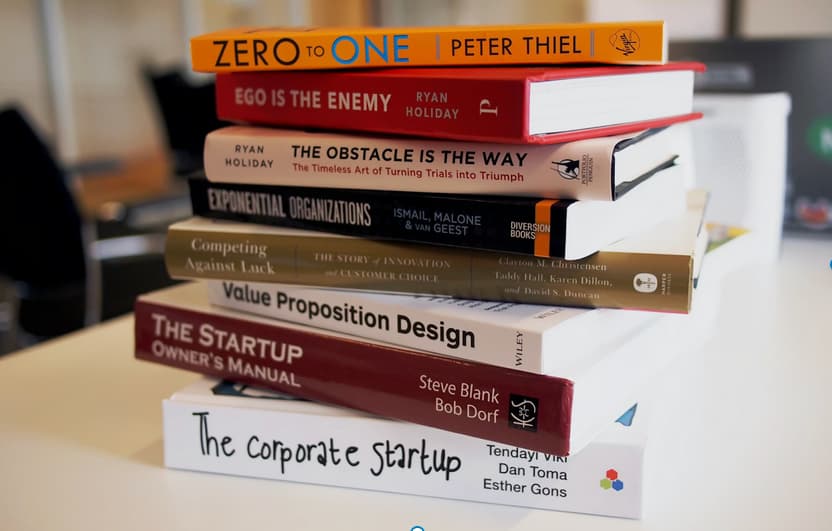
In today’s academic environment, student success is no longer built on a single source of knowledge. While books remain the backbone of higher education, resources like https://redaction-memoire.fr/9-sites-pour-commander-un-memoire/ show how online writing platforms have become a practical support alongside traditional study, and they are no longer sufficient on their own to meet the growing demands of modern academic writing. Dissertation and thesis requirements have become more complex, more structured, and more demanding in terms of methodology, formatting, and originality. This shift has created a natural partnership between traditional books and online writing platforms.
Students who understand how to combine these two resources gain a significant advantage. Books provide depth, credibility, and academic authority, while online writing platforms offer structure, guidance, and practical execution. Together, they form a complete academic ecosystem that supports students from research to final submission.
The Enduring Role of Books in Academic Learning
Books have always been the foundation of education. They offer peer-reviewed theories, historical context, established methodologies, and authoritative perspectives that online summaries simply cannot replace. For students writing dissertations or long academic papers, books serve as primary sources that validate arguments and demonstrate scholarly engagement.
Academic books teach students how knowledge has evolved, how debates are framed, and how research questions are developed. They help learners think critically and understand complex concepts in depth. However, while books explain what to know, they often fall short in explaining how to transform that knowledge into a well-structured academic document.
This limitation does not reduce the value of books; instead, it highlights the need for complementary tools that guide students through the writing process itself.
Why Students Struggle When Relying Only on Books
Many students assume that reading enough books automatically leads to strong academic writing. In reality, the transition from reading to writing is one of the most challenging steps in higher education. Students often face difficulties such as organizing large volumes of information, applying academic formatting rules, and maintaining a consistent scholarly tone.
Early in the dissertation journey, students typically encounter the same core challenges:
- Turning extensive reading into a clear research structure
- Understanding academic writing conventions that books rarely explain in detail
- Managing citations, references, and plagiarism standards
- Maintaining coherence across long chapters
- Meeting institutional formatting and submission requirements
These challenges explain why even well-read students may struggle to produce high-quality academic papers. This is where online writing platforms naturally enter the academic workflow.
How Online Writing Platforms Fill the Practical Gap
Online writing platforms are designed to support the execution side of academic work. They do not replace books; instead, they help students apply book-based knowledge correctly and efficiently. These platforms guide students through outlining, drafting, editing, and refining their work according to academic standards.
Unlike books, which present information in a linear and theoretical way, online writing tools respond to practical needs in real time. They help students structure chapters, develop arguments logically, and ensure that ideas flow smoothly from one section to the next. Many platforms also support language refinement, citation management, and clarity improvement, which are essential for long academic projects.
Structure Meets Substance
The real strength of combining books with online writing platforms lies in the balance between substance and structure. Books provide the substance – research findings, theories, and scholarly discussions. Online platforms provide the structure – frameworks, writing models, and step-by-step guidance that transform substance into a polished academic document.
Students who rely only on platforms without reading books risk producing shallow work. On the other hand, students who rely only on books risk producing disorganized or technically flawed papers. Success comes from using both in a coordinated way.
Midway Through the Process: Where the Combination Matters Most
The middle stage of dissertation writing is where many students lose momentum. Research has been collected, notes are scattered, and the initial motivation starts to fade. At this stage, the combination of books and online platforms becomes especially powerful.
Books help students return to academic grounding when doubts arise, while online platforms help maintain progress and discipline. Together, they support students in several critical ways:
- Organizing large amounts of book-based research into logical chapters
- Translating complex academic ideas into clear, readable arguments
- Ensuring consistent academic tone throughout the document
- Checking alignment between research questions, methodology, and conclusions
- Reducing stress by breaking the writing process into manageable steps
This combination not only improves the quality of writing but also increases student confidence and persistence.
Supporting Independent Thinking, Not Replacing It

A common misconception is that online writing platforms encourage dependency or reduce academic integrity. In reality, when used correctly, they promote independent thinking. Books still require students to read, analyze, and interpret information on their own. Writing platforms simply help students express that thinking more clearly and professionally.
Rather than doing the intellectual work for the student, these platforms act as academic scaffolding. They support students while skills are developing and gradually become less necessary as confidence and competence grow.
Preparing Students for Academic and Professional Writing
The skills gained from combining books with online writing platforms extend beyond the dissertation. Students learn how to research deeply, write clearly, and present arguments logically – skills that are essential in professional environments as well.
By learning how to integrate authoritative sources with structured writing tools, students develop habits that prepare them for lifelong learning and professional communication.
A Smarter Model for Student Success
The modern academic landscape rewards students who work smarter, not just harder. Books remain irreplaceable sources of knowledge, but they are most effective when paired with tools that support application and execution. Online writing platforms offer that support by helping students turn reading into writing and ideas into finished work.